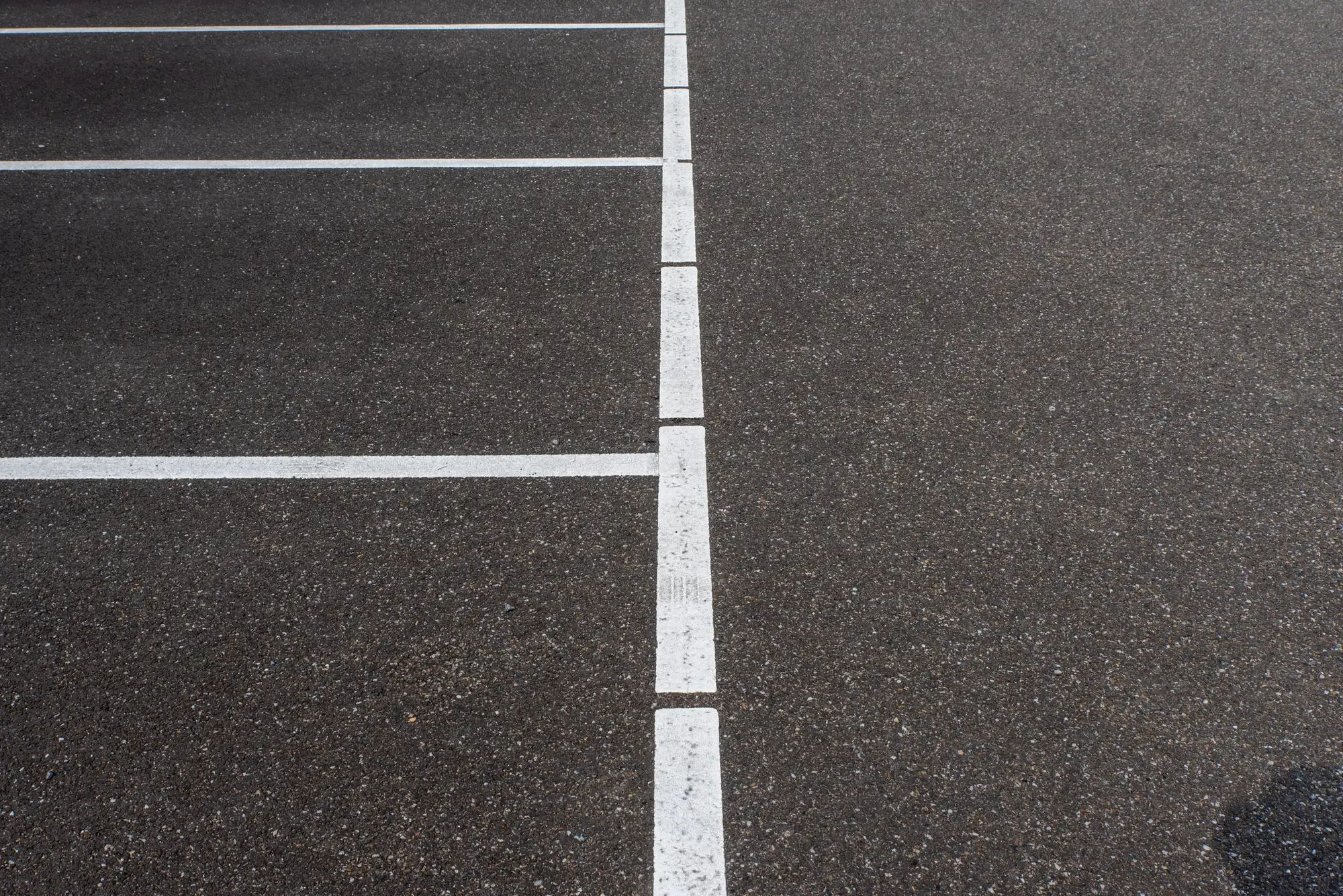
Every development manager has a story like this one, even if the details shift from chain to chain. A pad site sits quiet for months. Then one week the striping crew shows up and lays down the drive-thru lane in that unmistakable double-curve, the one that only means one thing.
Order point canopy goes up. Clearance bar gets mounted. Menu board footings are poured. The pole sign, the thing everybody's watching for, the thing that shows up on the permit board as the most recent filing, doesn't go up for another two weeks.
By the time the sign crew finally shows, the location has been running soft for ten days. Drive-thru open, dining room closed off with that temporary rope stanchion, staff training on live tickets. Nobody announced anything. There was no press release, no grand opening countdown on social. The only public signal was a line of cars at an unmarked building, and a sign blank sitting dark where the channel letters would eventually go.
This sequencing shows up often enough to call it standard, not a one-off quirk of one franchisee cutting corners. Sign permits and building permits run on different clocks almost everywhere. The building permit covers structure, electrical rough-in, plumbing: the stuff the general contractor needs to close out. The sign permit is its own filing, often with its own review cycle at the planning department, sometimes routed through a separate sign company whose fabrication schedule has nothing to do with the GC's finish date. A pole sign with LED illumination can take weeks longer to clear design review than the building it's advertising. Meanwhile the kitchen gets tested, the walk-in gets stocked, and the drive-thru lane gets striped for business, because that work falls under the site plan approval, a separate track entirely from the sign permit.
So the building opens. Quietly, functionally, sign-less. Everyone tracking that opening date off the permit board or the press calendar is reading the wrong instrument. The permit board tells you when paperwork cleared. It doesn't tell you when the lot got striped for a drive-thru queue, when the menu board footing went in, when fit-out crews stopped showing up because there was nothing left to fit out.
That's the part worth sitting with if you're building an opening calendar for a franchise pipeline or a supplier rollout schedule. The sign is the last thing to go up, the first thing the public notices, and the worst predictor of actual open date. The lot striping, the canopy install, the vanishing of fit-out foot traffic because the crews have moved to the next pad. Those happen weeks earlier, and they happen whether or not the brand's marketing team has decided to make noise about it yet.
For a broker with twelve pads under option, or a supplier trying to time a delivery window, that two-week gap is real money. Show up with product on the day the sign lights up and you're two weeks late to a drive-thru that's already been running a soft open. Wait for the press release and you might be a month behind.
The pattern holds often enough that it's worth building a habit around: watch the pad, not the sign. Striping, canopy, the rhythm of parking lot traffic shifting from contractor trucks to customer cars. That's the tell. The sign is just the last piece of furniture.
If you're trying to turn that habit into something you don't have to do site-by-site, by eye, off a windshield survey, that's the whole reason Store Opening Signals exists: a monthly read on fit-out traffic, striping, and signage work across the sites you're tracking, flagged before the press release catches up.
Watch the pad before the pad watches you.