A location analyst tracking a territory gets two kinds of candidates on the opening calendar: the box that used to be something else, and the box that was never anything before. Both can end up as the same brand with the same drive-thru lane. From overhead, they read completely differently, and most of what tells them apart is in the pad and the lot, not the building footprint.
Read the asphalt first
A ground-up build sits on a pad that was raw dirt not long ago. In a recent image you'll see graded earth, a rough gravel base, maybe silt fencing strung around the perimeter if the site is still mid-permit. The striping, when it finally goes in, is bright white against new black asphalt, laid out in one continuous pour. Curb cuts line up with a site plan that was drawn from scratch. There's no mature landscaping yet, just mulch beds and skinny new trees staked with wire.
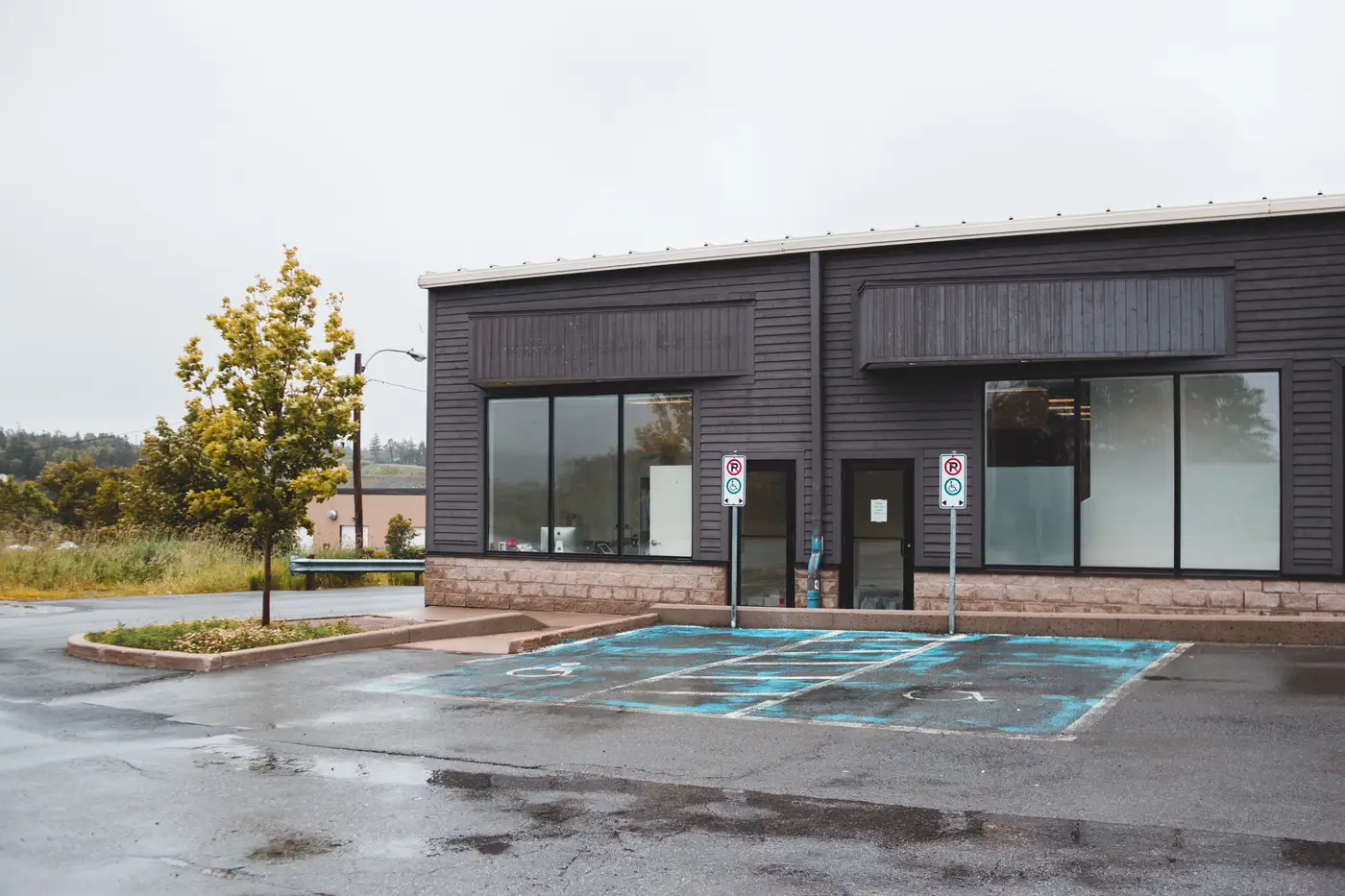
A conversion site carries its history in the pavement. The lot already has striping, but it's patched: older lines ghosted under newer paint, a seam where one contractor's asphalt meets another's from a prior remodel, oil stains in the old loading zone that don't match the new layout at all. Landscaping is established, full-grown trees, hedges that have been trimmed for years. If the prior tenant had a drive-thru and the new brand needs one too, you'll often see the old lane reshaped rather than built new, a slightly different radius where the curb was saw-cut and repoured.
Look at the roof and the sign pad
Roof condition is one of the more reliable tells once you know what you're looking for. A conversion roof usually shows a rectangle of different material or color where the old box sign or raised logo was removed and patched over. New construction roofs are uniform, one membrane, laid down in one job, no patch scars because there was nothing to remove.
The sign pad near the road tells a similar story. On a conversion, the old pylon footing is often still there even after the cabinet comes down. You'll see a square of bare concrete or a faint tan ring in the grass where the base used to sit, sometimes for months before the new sign goes in. On a ground-up pad, the sign footing is freshly poured, matching the rest of the new concrete work, no mismatch in color or age.
Why the distinction matters for the calendar
Conversions and new builds move on different timelines, and reading the wrong signal means guessing the wrong open date. A conversion can go from empty box to open doors in a matter of weeks once permits clear, because the building and parking are already there. A ground-up build has to clear grading, foundation, framing, and inspection before it ever gets to fit-out. If you're treating fresh asphalt on a bare pad the same way you'd treat a patched lot with new striping over old lines, your calendar is going to be off by months in one direction or the other.
Franchise development managers juggling a dozen territories at once don't have time to drive every pad or dig through every county permit board to figure out which kind of site they're watching. That's the gap Store Opening Signals is built around, a monthly readiness flag built from exactly these signals, fit-out traffic, parking striping, and new signage, so you know a site is moving before the press release confirms it.
If you've got a list of addresses you're watching right now, it's worth seeing how many of them are further along than the public record shows.