If you've spent any time pulling site plans or driving past construction fencing for a brand you track, you've probably run into the term "prototype building" in a permit filing or a franchise disclosure document and wondered exactly what it means versus the building that's already sitting at the corner down the street.
What a prototype building actually is
A prototype is the standardized design a brand hands to every new franchisee or company-operated site: the floor plan, the exterior elevations, the drive-thru lane configuration, the parking count, sometimes down to the exact square footage of the walk-in cooler. It's the template in the FDD's Item 11, and it's what the architect of record stamps on plans submitted to a county or city building department.
Brands don't set a prototype once and leave it. QSR chains especially cycle through new prototypes every five to ten years, usually tied to a format shift, smaller footprints for delivery-heavy traffic, double drive-thru lanes, walk-up windows, patio-forward layouts for daypart flexibility. When a brand finalizes a new prototype, it almost always rolls out first at a handful of flagship or test markets, then pushes it into the franchise pipeline over the following 18 to 36 months.
That's the part worth paying attention to if you're building out a pipeline forecast. A new prototype filing at a site that previously had nothing, or an old format being torn down and replaced, is a stronger signal of an active rollout than a brand simply saying in an earnings call that it's "accelerating unit growth." The filing tells you where, the design tells you which format generation, and the construction sequence tells you how close that unit is to actually opening.
Legacy format vs. prototype format, and why it matters for your calendar
A legacy format building is one built to an older prototype generation, still operating, maybe due for a remodel or a rebuild under the current spec. A prototype format building is built fresh to the current template. The distinction matters because the two paths show up differently on a site before any press release goes out.
A remodel of a legacy building keeps the existing shell, often the existing footprint and parking lot. You'll see interior work, maybe a new facade package, new signage going up on the same pole. The lot striping and the building footprint usually stay put.
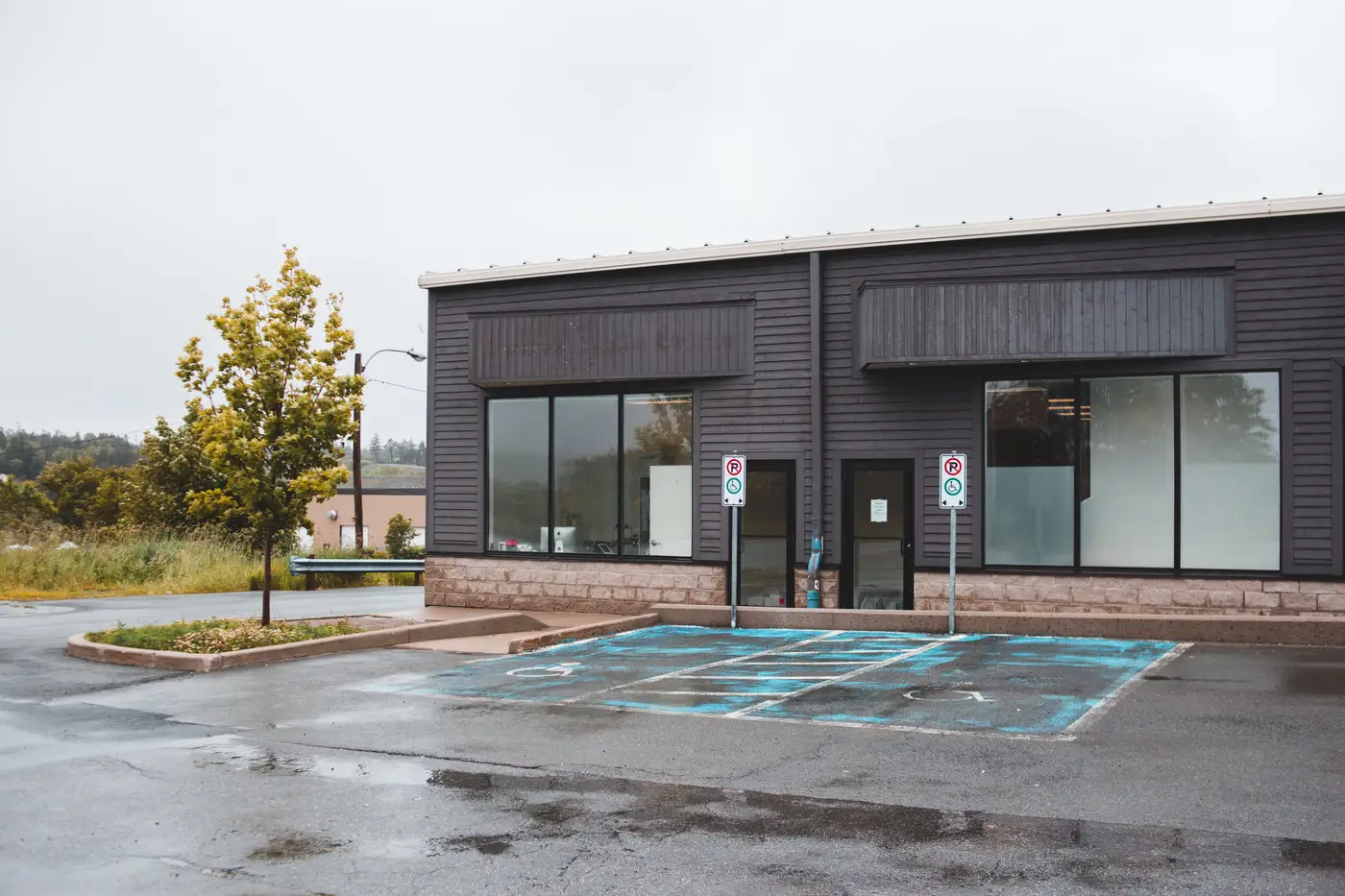
A new build to the current prototype strips the site to dirt or starts on a raw pad. You'll see fresh foundation work, a footprint sized to the current spec (smaller kitchen, different drive-thru geometry, added or removed parking rows), and parking lot striping laid out for the new traffic flow.
New build vs. remodel franchise activity also tells you something about the real-estate side of the deal. A ground-up prototype build usually means a new lease or a new ownership group took the site, not an existing operator refreshing their store. That's a different kind of opening than a legacy location reopening after a facelift, and it usually sits further out on the calendar because site work, permitting, and inspections take longer than an interior remodel.
Reading the construction sequence before the announcement
None of this requires inside information. The sequence of fit-out activity, parking lot striping, and new pole or monument signage going up is visible well before a franchisor posts a grand-opening date or a local news outlet runs the "coming soon" piece. Striping in particular is a good tell: a legacy remodel rarely touches it, while a ground-up prototype build almost always lays new lines because the building footprint and drive lane geometry changed.
For a franchise development manager or a location analyst tracking a brand's growth across dozens or hundreds of parcels, checking permit boards and press releases site-by-site doesn't scale. If you're trying to build an opening calendar ahead of the public announcement rather than reacting to it, Store Opening Signals is built around exactly that sequence, fit-out traffic, striping, and signage read from monthly imagery, so you get a per-site readiness flag before the ribbon-cutting press release lands.