A sign permit filing is the paperwork a tenant or landlord submits to a city or county for permission to install exterior signage: the channel letters, the monument sign at the road, sometimes the window vinyl. It's a small, boring line item in a building department's queue. It's also one of the earliest paper trails a new location leaves behind, and for anyone tracking an opening calendar, it's worth more than most of what shows up later in a press kit.
Here's the mechanic. A brand doesn't put up a sign until the building is close to done. Electrical has to be roughed in, the facade has to be ready to take the mounting hardware, and in most jurisdictions the sign itself has to match an approved design before an inspector will sign off on it. So the filing tends to land after site work and permitting for the build-out are already underway, but before the final certificate of occupancy. That puts it in a narrow window: close enough to opening that it's a real signal, early enough that nobody outside the building department and the brand's real estate team has any reason to know yet.
Why the lead time varies so much by city
This is where it gets messy if you're trying to build a calendar off permit boards alone. Some counties turn a sign permit around in a week. Others sit on it for six to eight weeks if there's a design review board involved, which is common in historic districts, strip centers with a master sign plan, or anywhere a planning commission likes to weigh in on font size. A few jurisdictions don't publish sign permits separately at all. They fold signage into the general building permit, which means there's no standalone filing to watch for in the first place.
So the honest answer to "how far out does a sign permit predict an opening" is: it depends which county you're in, and you'd need to know that county's typical turnaround to use the filing date for anything. Chains with locations across a dozen metro areas are dealing with a dozen different clocks, and none of the permit portals talk to each other.
The filing is paper, the sign going up is physical
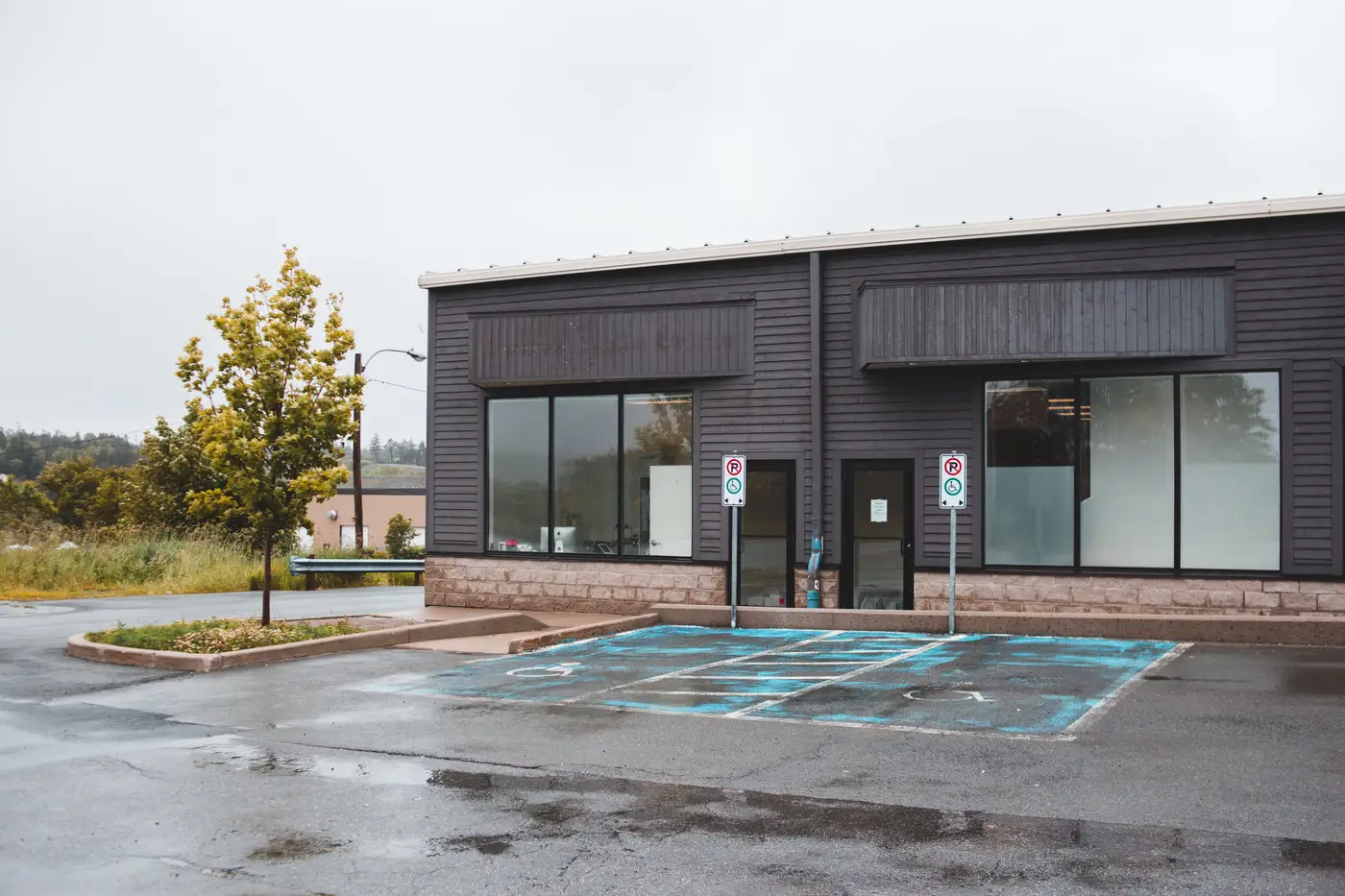
That's the gap worth noticing. The permit tells you someone applied for permission. It doesn't tell you the sign got installed, and installation is the part that tracks toward an opening date, because a brand doesn't pay a sign contractor to mount channel letters on a building that's still six months from ready. By the time the sign is physically on the wall, the parking lot striping is usually done too, and the fit-out crews inside have shifted from framing to fixtures. Those three things together, fresh paint lines in the lot, a sign bracket that wasn't there last month, and a steady stream of trade vehicles at the site, tell you more reliably where a location sits in its runway than any single permit record does.
This is why development managers chasing more than a handful of sites end up giving up on permit boards as a primary tool. Watching twenty counties' sign permit queues by hand, cross-referencing each one against its own typical lead time, then still having no visibility into whether the sign actually got hung, is a lot of analyst time spent guessing. A monthly pass over the property itself, checking for new signage, striped stalls, and fit-out activity, turns that guesswork into a flag you can put a date next to. That's the readiness check behind what we built at Store Opening Signals, and it's built to answer exactly the question a permit filing can only half answer.
What to do with this if you're building a calendar
If you're tracking a handful of sites in jurisdictions you know well, the permit board is still a fine first alert. Treat the filing date as "add six to ten weeks, adjust for that county's review backlog" rather than a hard countdown. If you're tracking sites across multiple states or a franchise system with dozens of pending locations, the permit-by-permit approach stops scaling fast, and the signal worth watching shifts from paperwork to the physical site itself.
Either way, the sign going up is the tell. The permit is just the paper that came before it.